7 Seven Number: A Designer's Real-World Embroidery Review
When I first opened the file for 7 Seven Number, my immediate thought wasn't about the technical specifications, but rather the vibe it projected. In a market saturated with generic fonts and overused clipart, this design stands out because of its distinct personality. As someone who spends hours evaluating embroidery files for client projects and personal boutiques, I look for designs that feel intentional. This piece strikes a balance between playful and polished, making it an excellent candidate for a wide range of applications from nursery decor to custom streetwear.
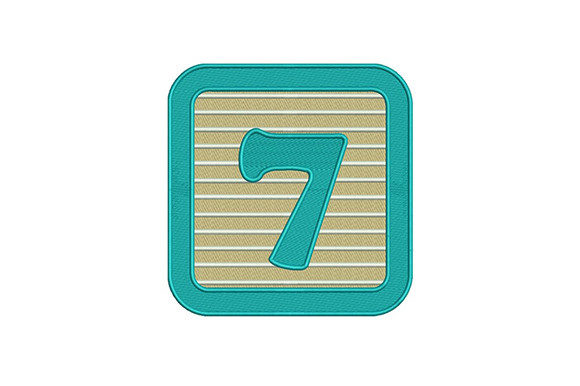
The concept is simple yet effective: a stylized representation of the number seven. While the prompt mentions "Baby Animals," the core strength of 7 Seven Number lies in its versatility. It serves as a perfect anchor for a baby-themed project without being overly cutesy or restrictive. Whether you are stitching a milestone shirt for a one-year-old or creating a branded patch for a craft business, this design offers a clean foundation that allows other elements to shine.
First Impressions and Visual Personality
The visual weight of 7 Seven Number is surprisingly robust for such a simple motif. The shape commands attention without feeling heavy or clunky. From a design perspective, the curves appear smooth, which suggests that the digit will stitch up with high clarity on most fabric types. The layout feels open enough to accommodate thread texture without losing definition, a common issue when reviewing digital assets for commercial use.
I often find myself asking, "Does this look good on a tote bag?" or "Will it hold up on a sweatshirt cuff?" With 7 Seven Number, the answer is generally yes. The design possesses a modern, slightly retro flair that fits well within current trends for handmade goods. It avoids the trap of looking dated, which is crucial for Etsy sellers and small shop owners who want their products to remain relevant season after season. The three-color palette mentioned in the details provides a nice opportunity for contrast, allowing you to play with color theory to match specific brand identities or gift themes.
Real-World Application: The Custom Tote Bag Scenario
Let's imagine a real-life scenario where I need to fulfill an order for a boutique client. They want a set of embroidered tote bags featuring a unique identifier for each customer. The client loves the idea of using numbers to denote special dates or lucky digits. This is where 7 Seven Number becomes a star asset.
I start by selecting a sturdy canvas tote bag. The design needs to sit comfortably in the center without distorting the fabric. Because the design is relatively compact, it works beautifully on a standard 4x4 hoop area. As I load the file into my machine, I notice how the stitch directions flow naturally. When the machine begins stitching, the satin edges should lay flat against the canvas, creating a crisp finish that elevates the perceived value of the product.
For a small business owner, efficiency matters. The fact that this is available in multiple formats like PES, DST, and EXP means I can switch machines quickly if needed. However, before rushing into production, I always test the design on scrap fabric. In this case, testing on a similar canvas weight ensures that the tension settings are correct. If the stitches are too tight, they might pucker the canvas; if too loose, the detail could get lost. The result of a successful test run is a finished product that looks professional, encouraging repeat orders and positive reviews on platforms like Etsy.
Performance Across Different Materials and Garments
The versatility of 7 Seven Number extends beyond just totes. Consider a baby item, such as a soft cotton onesie or a muslin blanket. Here, the design's simplicity is a major advantage. Babies' clothing requires gentle handling, and large, dense patches can be uncomfortable. This design offers a lighter touch while still making a statement. The three colors used allow for soft pastels or bold primary choices, fitting seamlessly into nursery themes or gender-neutral collections.
For apparel decorators working on sweatshirts or hoodies, the design holds its own. The fill stitches provide enough density to stand out against the textured fleece of a hoodie. However, care must be taken with the stabilizer choice. On stretchy fabrics, a cut-away stabilizer is often necessary to prevent the design from warping after washing. 7 Seven Number is robust enough to handle these conditions, provided the underlying fabric preparation is sound.
I also see potential in using this design for holiday gifts. Imagine a batch of kitchen towels embroidered with lucky numbers for New Year's celebrations or anniversary gifts. The clean lines of the seven translate well to linen and cotton blends, adding a touch of elegance to everyday items. For craft fair vendors, having a design that looks great on both hard surfaces (like wooden signs) and soft goods (like aprons) is a huge selling point. It maximizes your inventory options without requiring you to purchase new digital assets constantly.
Where Caution Is Required
Despite its strengths, no design is perfect for every situation. There are specific scenarios where 7 Seven Number might require extra attention or alternative approaches. One such area is small hoop sizes. If you are attempting to stitch this on a very small surface, like the front panel of a baseball cap or a tiny pocket square, the detail might become compromised. The curves need room to breathe to maintain their intended shape.
Textured fabrics present another challenge. While the design works well on smooth canvas or cotton, highly textured materials like bouclé or thick wool can obscure the finer details of the embroidery. In these cases, the contrast between the thread and the fabric texture might reduce the visual impact. Similarly, thin fabrics like silk or chiffon require delicate handling. Without proper stabilization, the pull of the stitches could distort the garment, leading to a subpar finished product.
Dense stitch areas can also be problematic if the thread count is too high for the selected needle size. If the design includes heavy fill stitches, ensure that your machine is capable of handling the density without skipping stitches. Additionally, dark fabrics require careful consideration of thread colors. While the design comes with three colors, you may need to adjust the palette to ensure visibility against a black or navy background. Always review the color plan before starting a large run.
Practical Designer Notes for Success
To get the most out of 7 Seven Number, there are several practical steps every designer should take. First, always test the design on scrap fabric that matches your final material. This helps you gauge the thread tension and stitch density. Second, check the thread color contrast. A design that looks vibrant on a screen might look dull in person if the colors aren't chosen wisely.
Reviewing the stitch density is crucial for durability. High-density designs wear better but can be stiff. Low-density designs are softer but might not last as long through frequent washing. Confirm your hoop size to ensure the design fits your workspace. If you are creating an embroidered patch, consider adding a border or backing to protect the edges.
Inspect small details closely. Sometimes, fine lines can break or merge during the stitching process. Testing in black and white mockups can help you visualize the design's structure without the distraction of color. Compare light and dark fabric backgrounds to ensure the design remains legible in various contexts. Use proper stabilizer for the fabric type—cut-away for knits, tear-away for wovens—to maintain the integrity of the embroidery.
Finally, confirm whether the design works for both personal and commercial projects. Licensing terms vary, and understanding them is essential for digital product sellers and commercial embroidery businesses. If you plan to sell finished items featuring 7 Seven Number, ensure you have the right permissions. This protects your brand and builds trust with your customers.
In conclusion, 7 Seven Number is a versatile, high-quality addition to any embroidery library. Its clean lines, adaptable color scheme, and strong visual presence make it suitable for everything from personalized gifts to boutique branding. By following best practices and paying attention to fabric and stabilizer choices, you can create stunning finished products that delight customers and elevate your craft business. Whether you are a hobbyist or a seasoned pro, this design offers a reliable way to add a touch of style to your next embroidery project.