Antique Pottery Embroidery Review
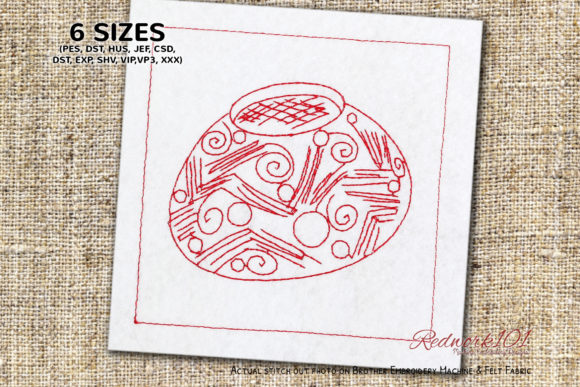
Antique Pottery is a redwork embroidery design that immediately presents a classic, rustic charm. As an experienced embroidery designer, I appreciate the attention to detail and the warm, earthy aesthetic this design brings to the table. The name itself evokes a sense of history and craftsmanship, making it an appealing choice for businesses looking to convey a handmade or artisanal vibe.
First Impressions and Visual Personality
The first thing that stands out about Antique Pottery is its visual appeal. It feels both premium and approachable, with a look that suggests it could be used on everything from kitchen decor to branded merchandise. The redwork style adds a bold yet elegant touch, which can be especially effective when paired with neutral or dark backgrounds. This makes it ideal for small business merch that needs to stand out without overwhelming the viewer.
The mention of the optional Box Stitch in the product description gives designers flexibility. Whether you choose to include it or not, the overall composition remains balanced and visually engaging. The color of the outer box being different also allows for creative variations, which can be useful when customizing the design for different products or branding needs.
Real Business Use Scenarios
Antique Pottery has a wide range of applications in commercial embroidery projects. For instance, it could serve as an embroidered patch for a boutique or café, adding a unique decorative element to staff uniforms or aprons. Its classic appearance would also make it a great chest logo accent for work shirts or sleeve details for custom apparel.
As a cap embroidery design, Antique Pottery could bring a subtle but meaningful brand identity to promotional caps or event merch. On tote bags, it can function as a branded mark that reinforces customer recognition. When applied to product packaging accents, it enhances the handmade presentation of a product, making it more appealing to buyers who value authenticity and quality.
For Etsy sellers or handmade brands, this design can be used as part of a larger collection of design assets, contributing to a cohesive brand identity. A printable mockup of Antique Pottery would help in showcasing the finished product to clients or customers before production begins.
Where to Use with Caution
While Antique Pottery is versatile, there are certain scenarios where it should be used carefully. Small patch sizes may not capture the full detail of the design, so testing it at various scales is essential. Cap fronts, curved surfaces, and items requiring frequent washing might also challenge the durability of the embroidery, especially if the fabric texture is not ideal.
Tiny lettering within the design could become difficult to read when scaled down, so ensuring sufficient spacing between elements is crucial. Additionally, high stitch density areas need to be reviewed to avoid distortion during the embroidery process. Dark-colored uniforms may require thread colors that contrast well with the background to maintain visibility and clarity.
Impact on Brand Identity and Customer Perception
Using Antique Pottery as part of your brand’s visual identity can significantly enhance customer trust and recognition. Its classic and handcrafted feel aligns well with businesses that want to project professionalism while maintaining a warm, inviting atmosphere. Whether used on small business merch, product labels, or customer gifts, this design contributes to a consistent and memorable brand image.
For handmade brands or craft businesses, Antique Pottery can reinforce the idea of quality and attention to detail. It helps create a sense of value around the products, encouraging buyers to engage more deeply with the brand. This is particularly important for niche markets such as local boutiques, bakeries, or pet brands that rely heavily on visual storytelling to connect with their audience.
Practical Embroidery Designer Notes
Before using Antique Pottery in any commercial embroidery project, it's essential to test it in black and white first to ensure it translates well across different color palettes. Checking how it works at small patch size will help determine if it's suitable for all intended uses, including cap embroidery or tote bag designs.
Review the thread color contrast carefully, especially if planning to use it on dark fabrics. Inspect spacing between elements to prevent overcrowding, and confirm the hoop size required for proper stitching. Testing on real fabric and using the appropriate stabilizer will ensure the finished product maintains its integrity after multiple washes.
Creating a printable mockup for client approval is a must, especially when working with digital embroidery files. Comparing Antique Pottery beside other design assets ensures consistency in brand visuals. Finally, always confirm commercial licensing before using the embroidery file for business purposes to avoid legal complications.
In conclusion, Antique Pottery offers a beautiful blend of classic charm and modern versatility. When used thoughtfully, it can elevate the look of custom apparel, apron embroidery, and tote bag design, reinforcing brand identity and creating a lasting impression on customers.