Fish Digital Machine: A Designer's Review for Craft Fairs
As an experienced embroidery designer who has spent countless weekends setting up booths at local craft fairs and preparing inventory for handmade markets, I know that the difference between a stall that sells out and one that gathers dust often comes down to the design itself. Today, I am reviewing a specific digital asset titled Fish Digital Machine. My goal is to evaluate this piece from the perspective of a business owner looking to create profitable, high-quality items for customers who love outdoor adventures and unique handmade goods.
When you first encounter the title Fish Digital Machine, the immediate impression is one of playful modernity. It suggests a blend of nature-inspired themes with a slightly industrial or graphic edge. For a booth display, this kind of name hints at a design that could work well as a focal point on a tote bag or a subtle accent on a kitchen towel. In the world of machine embroidery design, clarity is king. If the concept behind the file is strong, it translates easily into a finished product that catches the eye of a passerby walking through a busy market aisle.
First Impressions and Visual Appeal
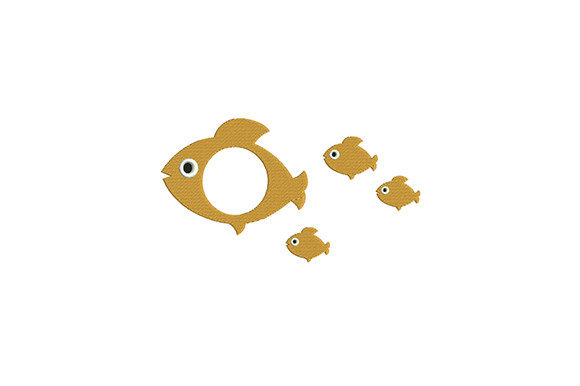
The description indicates that this is a 3 Color design available in a vast array of embroidery file formats including PES, DST, JEF, HUS, and many others. This versatility is crucial for any Etsy seller or boutique maker who serves clients using different machines. The use of three colors allows for depth without overwhelming the fabric texture. It strikes a balance between minimal and decorative, making it suitable for a wide range of aesthetics from rustic farmhouse to modern camping gear.
Imagine placing a sample of this design on a sturdy canvas tote bag. The three-color palette likely offers enough contrast to stand out against natural linen or bold navy backgrounds. For a craft fair product, the visual impact must be instant. A design that is too intricate might lose its charm when viewed from a distance, while one that is too simple might look cheap. Fish Digital Machine appears to hit that sweet spot where it looks intentional and premium, encouraging a customer to pick up the item and inspect the stitching quality closer.
Product Applications for Market Sellers
So, where does this design shine brightest in a real-world scenario? Let's walk through my mental checklist for a weekend market setup.
- Tote Bag Design: This is perhaps the most versatile application. A fish-themed motif fits perfectly with the "outdoor" vibe. On a canvas tote, it becomes a statement piece for beach days or grocery runs.
- Apron Embroidery: For the home cook or the grilling enthusiast, an apron featuring this design adds a touch of personality. The 3-color scheme ensures it doesn't clash with colorful kitchens.
- Tea Towel Embroidery: Kitchen linens are high-volume sellers. This design works beautifully as a central motif on a flour sack towel, appealing to those who love Camping and fishing themes.
- Embroidered Patch: Because the design is likely self-contained, it can be stabilized and cut out to create iron-on patches for denim jackets or backpacks.
- Cap Embroidery: If the stitch density is appropriate, this could be a great fit for the front panel of a dad hat or trucker cap, though we must be careful about curvature issues.
- Small Pouches and Pillow Covers: These smaller items allow for higher profit margins per unit of time. A set of matching pouches with this design makes for an excellent gift basket.
Production Practicality and Batch Selling
From a production standpoint, efficiency is money. When preparing for a commercial embroidery run, I need to know if the design is easy to hoop and stable. The fact that it is a digital embroidery file with extensive format support means I can load it into almost any machine I own, whether I am working on a single-unit custom order or a batch of twenty identical small shop products.
However, before I commit to printing thousands of printable mockups or listing this on Etsy, I have to consider the stitch density. Designs with dense areas can sometimes cause puckering on lighter fabrics like tea towels, while designs with tiny details might get lost on thick fabrics like denim. The title Fish Digital Machine implies a potential mechanical or stylized element; if these elements involve small text or fine lines, they require a larger hoop size to maintain clarity. If the design is intended to be a small accent, I would advise testing it on a scrap piece first to ensure the details hold up.
For the booth display, the ability to photograph the item clearly is vital. A design with good contrast and clear definition will translate well to online listings. Customers browsing on their phones need to see the texture and the thread colors immediately. If the thread colors chosen for this design are vibrant yet harmonious, it will significantly boost the perceived value of the finished product.
Careful Use Notes and Quality Control
Even the best-looking design assets can fail in production if the technical details are ignored. Here are the critical checks I perform before turning any design into a sellable item:
- Test on Scrap Fabric: Never start with your final customer product. Run the Fish Digital Machine file on a scrap of the same material you plan to sell. Check how the fabric reacts to the stitches.
- Check Thread Contrast: Ensure the three colors used provide enough contrast against the background fabric. Low contrast can make the design look muddy or invisible.
- Review Spacing and Hoop Size: Confirm that the design fits within your standard hoop sizes. If the design is too large for a standard 4x4 hoop, you may need to reposition it or use a larger hoop, which affects your production speed.
- Inspect Stitch Density: High-density areas can lead to thread breaks or difficult removal of stabilizer. Look for areas where the design might be too crowded.
- Use the Right Stabilizer: For textured towels or curved cap surfaces, the choice of stabilizer (cut-away vs. tear-away) is just as important as the design itself. Using the wrong stabilizer can ruin the drape of the fabric.
- Create Real Mockups: Don't rely solely on digital renders. Create at least one physical sample to show customers at the craft fair. They want to feel the quality.
- Confirm Commercial Licensing: Before selling finished products, verify that the license terms allow for commercial use. This protects your business from legal issues.
Final Thoughts on Market Potential
In conclusion, Fish Digital Machine presents itself as a versatile option for creative entrepreneurs looking to expand their handmade product line. Its multi-format compatibility and balanced color scheme make it a practical choice for both Etsy sellers and brick-and-mortar booth operators. Whether you are creating gifts for the fishing enthusiast or adding a splash of fun to your kitchen collection, this design has the potential to drive sales.
The key to success lies in execution. By carefully managing your fabric texture, choosing the right stabilizer, and ensuring the design remains legible at the intended size, you can transform this digital file into a tangible, high-value item. At a craft fair, it is the combination of a catchy design and impeccable craftsmanship that wins over customers. With proper preparation, Fish Digital Machine could easily become a staple in your repertoire of embroidery projects.