Hot Girl Line Art: A Designer's Honest Review
As an experienced embroidery designer who spends hours evaluating digital assets for both personal passion projects and commercial client orders, I often find myself pausing before downloading a new file. The market is saturated with generic designs, but sometimes a specific aesthetic catches the eye. Recently, I encountered Hot Girl Line Art, a product listed under the Beauty category on Creative Fabrica. Before committing to a full production run for a handmade shop or Etsy listing, I wanted to analyze how this design fits into real-world applications.
The concept of "redwork" has always held a special place in the embroidery community for its clean, minimalist appeal. This particular design promises to stitch out perfectly onto a variety of fabrics, which immediately suggests versatility. My goal here is not to simply list features, but to provide a practical evaluation based on how I would approach using Hot Girl Line Art for tangible products like tote bags, aprons, and nursery decor.
First Impressions and Visual Mood
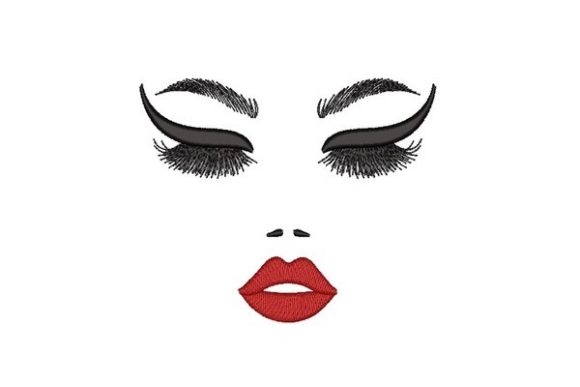
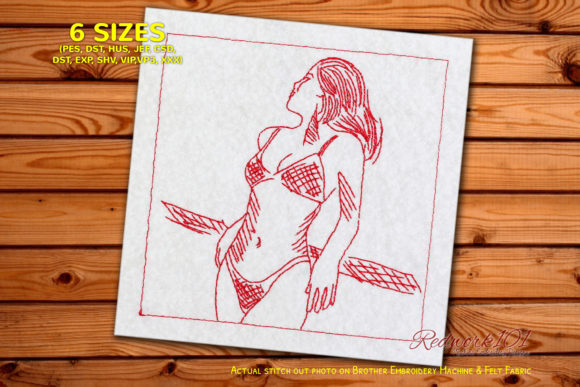
When you first open the preview files for Hot Girl Line Art, the immediate takeaway is its simplicity. In the world of machine embroidery, where dense fill stitches can sometimes look cluttered, line art offers a fresh, modern alternative. The design relies heavily on running stitches and satin strokes to create a delicate outline effect. It feels less like a traditional floral motif and more like a contemporary fashion statement.
This aesthetic naturally aligns with current trends in boutique merchandise and custom apparel. The "Hot Girl" theme, when executed in a fine line style, avoids being overly loud or kitschy. Instead, it strikes a balance that works well for summer clothes, home decor, and even bed sheets. The visual mood is airy and light, making it an excellent candidate for lighter fabrics like cotton percale or linen blends. However, the beauty of the design lies in its adaptability; while the description notes it will stitch out on various fabrics, the true test is how it handles different textures and tensions.
Real-World Application for Handmade Products
I frequently consider designs for specific customer orders, such as personalized gifts or seasonal collections. For Hot Girl Line Art, several high-value use cases come to mind immediately. Imagine placing this design on a canvas tote bag. The clean lines would contrast beautifully against the natural weave of the fabric, creating a sophisticated look that appeals to buyers looking for artisanal quality.
Similarly, for small business owners selling on platforms like Etsy, this design could serve as a staple for baby items. A simple line art design on a baby blanket or a onesie often sells better than complex, multi-colored images because it remains timeless. The design also translates well to kitchen towels and pillow covers, adding a touch of personality without overwhelming the space. If you are looking to create an embroidered patch, the defined outlines of Hot Girl Line Art suggest it would hold up well during the cutting and finishing process.
For those interested in seasonal handmade gifts, this file offers flexibility. Whether it is a sweatshirt embroidery project for a casual fall outfit or a decorative accent for a spring cap, the design's minimalism allows it to blend seamlessly into any wardrobe. It is particularly effective for digital sellers creating printable mockups, as the clean lines render sharply in photos, enhancing the perceived value of the finished product.
Technical Considerations and Stitching Challenges
While the visual appeal is strong, an experienced designer must look beyond the screen. When reviewing a design like Hot Girl Line Art, I always consider the technical execution. One of the primary concerns with line art is stitch density. Because the design relies on thin lines rather than heavy fills, there is a risk of the stitches collapsing if the density is too high, especially on stretchy fabrics like jersey knit used for t-shirts or sweatshirts.
Another critical factor is hoop size. Many line art designs are intended for smaller hoops, typically 4x4 inches or 5x7 inches. If you plan to scale this up significantly for a large banner or a wide tote bag, you may need to split the design or re-digitize parts of it. Always check the file details and licensing on the Creative Fabrica product page before selling finished items to ensure you have the rights to scale or modify the artwork.
Textured fabrics present another challenge. While the design looks beautiful on smooth cotton, it might struggle on highly textured materials like bouclé or thick fleece. On these surfaces, the fine lines of the running stitch might get lost in the weave. To mitigate this, proper stabilizer usage is non-negotiable. A cut-away stabilizer is often recommended for woven fabrics to prevent puckering, while a tear-away might suffice for stable knits if used correctly.
Thread color contrast is also vital. The product description mentions redwork, which traditionally implies a single thread color (often red) on white or light fabric. However, if you intend to use this design for dark fabric, you must ensure the thread colors chosen provide enough contrast. Without adequate contrast, the delicate lines may disappear entirely, ruining the visual impact of the piece.
Practical Testing Protocols
Before investing time into a bulk order or a custom client project, I strongly advise testing on scrap fabric. This step is crucial for verifying stitch density and confirming hoop size requirements. You should review stitch density by examining the spacing between lines; if they are too close, the fabric may pucker, and if they are too far apart, the design may look sparse.
Inspect small details after stitching to ensure that the needle did not skip any sections of the line art. Sometimes, intricate curves can cause the thread to break or the tension to shift. Comparing light and dark fabric mockups is also essential to understand how the design behaves in different lighting conditions. Finally, confirm the file details and licensing terms thoroughly. Understanding whether the design is suitable for commercial embroidery or limited to personal use is the first step in building a trustworthy brand.
Impact on Product Value and Brand Consistency
In the competitive world of handmade goods, presentation matters immensely. A well-executed Hot Girl Line Art design can significantly elevate the perceived value of a product. Buyers are drawn to designs that show attention to detail and technical proficiency. When a design stitches out cleanly without puckering or thread breaks, it signals to the customer that the item is high-quality and durable.
This consistency builds buyer trust. If you sell embroidered patches, tote bag designs, or custom apparel, maintaining a cohesive aesthetic across your inventory helps establish a recognizable brand identity. Hot Girl Line Art fits well into a collection focused on modern, minimalist beauty. It allows you to offer a range of products—from kitchen towels to nursery decor—that all share a unified visual language.
Furthermore, the design's simplicity makes it highly giftable. Customers often seek personalized gifts that feel thoughtful but not overly complicated. A subtle line art design on a sweatshirt or a baby blanket hits that sweet spot of elegance and affection. It also performs exceptionally well in product photography, where clean lines translate clearly on screens and social media feeds, driving engagement and sales.
Final Thoughts for the Creative Entrepreneur
After considering Hot Girl Line Art through the lens of a professional designer, I believe it holds significant potential for creative entrepreneurs. Its versatility allows it to be used in everything from summer clothes to home decor, provided that the technical aspects are managed correctly. The optional box stitch mentioned in the description adds an extra layer of customization for those who want to add a bit more structure to the piece.
However, success depends on preparation. Do not assume the design will work on every fabric without testing. Check the file formats, verify the hoop size, and ensure you have the right stabilizers and thread colors. By taking these steps, you can transform a simple digital embroidery file into a stunning finished product that stands out in a crowded marketplace. For anyone looking to expand their catalog of design assets or create unique handmade products, Hot Girl Line Art is a worthy addition to your library, offering a blend of style and functionality that resonates with today's consumers.