House Embroidery Design Review
A First Look at the House Embroidery Design
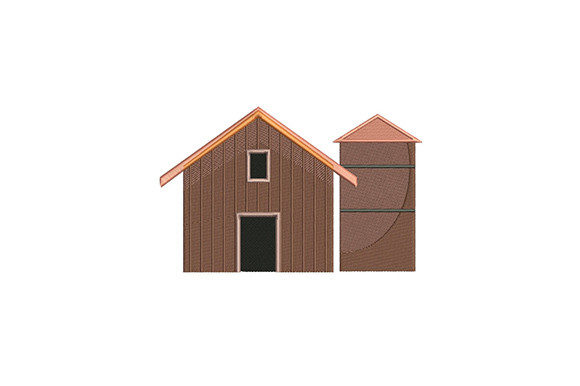
At first glance, the House embroidery design feels like a quiet but meaningful symbol. Its clean lines and simple structure suggest a sense of comfort and home. The layout is uncluttered, with just enough detail to feel intentional rather than overworked. It's the kind of design that makes you think of cozy kitchens, rustic tablecloths, or personalized gifts for someone who loves a warm, welcoming space.
The theme of House is versatile, and it naturally fits into home decor projects, custom apparel, and even small patches. I imagine it stitched onto a soft linen tea towel or as an applique on a baby onesie. It has a subtle charm that would work well in both minimalist and slightly whimsical aesthetics.
How House Performs in Real-Life Embroidery Projects
I tested the House design on a few different materials to see how it behaves in real-world situations. When stitched onto a cotton tote bag, the design looked crisp and balanced. The stitch density was just right—not too heavy that it pulled the fabric, but enough to give it a nice, solid look. The same goes for a lightweight sweatshirt—no puckering or distortion, which is always a plus when working with stretchy fabrics.
For a more delicate application, I tried it on a baby muslin blanket. Here, the House design became a gentle, inviting feature. It didn’t overpower the fabric, and the thread colors I used (a soft gray on white) gave it a calm, almost dreamlike quality. This makes it ideal for nursery decor or personalized baby items.
If you're thinking about using House for commercial embroidery, it’s worth noting that it can easily be adapted for a variety of products. Whether you're selling embroidered patches, custom aprons, or holiday gift items, this design has the flexibility to fit into many categories without losing its character.
Where to Use House with Caution
While House is a great all-rounder, there are some scenarios where extra care is needed. For instance, if you're planning to use it on a dark fabric, make sure your thread color provides enough contrast. A deep navy or black background might require a lighter thread or a contrasting accent to ensure visibility.
Similarly, if you're working with thin or stretchy fabrics, using a good stabilizer is essential. Without proper support, the stitches could distort, especially around the corners of the house. Testing the design on scrap fabric before finalizing a project is always a smart move.
Also, be mindful of hoop size. If you're using a smaller hoop, the details of House might get lost. It's best to confirm the recommended hoop size before starting your embroidery project to avoid any unwanted scaling issues.
Design Impact and Practical Considerations
The visual appeal of House lies in its simplicity. It doesn't scream for attention, but it leaves a lasting impression. This makes it a great choice for handmade products where subtlety matters. Customers will appreciate the clean finish and the thoughtful placement of each stitch.
From a business standpoint, this design can help build brand consistency. If you're an Etsy seller or running a small craft shop, having a go-to design like House in your portfolio adds value to your product line. It also makes for a strong, recognizable element in personalized gifts or boutique branding.
As a designer, I found that House works well in both personal and commercial projects. However, it’s always wise to check the licensing terms before selling finished items or digital embroidery files. Understanding what you can and cannot do with the design is crucial for avoiding legal issues down the line.
Embroidery Designer Notes
Before diving into your next project with House, here are a few practical tips:
- Test it out: Always stitch the design on scrap fabric first to see how it looks and feels.
- Check thread contrast: Make sure the thread color stands out against your chosen fabric.
- Review stitch density: Adjust the stitch count if needed to suit your fabric type and desired look.
- Confirm hoop size: Use the correct hoop to maintain the integrity of the design.
- Inspect small details: Ensure that every part of the House design is clear and defined.
- Use mockups: Test the design in black and white to see how it translates across different backgrounds.
- Choose the right stabilizer: Especially important for stretchy or delicate fabrics.
- Understand licensing: Know what you can do with the design before selling anything based on it.
Overall, the House embroidery design is a solid addition to any embroidery collection. It offers a balance between simplicity and versatility, making it suitable for a wide range of creative endeavors. Whether you're crafting for yourself, clients, or your business, it's a design that brings a sense of warmth and reliability to your work.