Pencil Case: A Designer's Honest Review
As an embroidery designer who spends hours daily evaluating digital assets for commercial projects, I often find myself standing at the crossroads of creativity and practicality. When I first encountered Pencil Case on Creative Fabrica, my initial reaction wasn't just about the visual appeal but rather how this design would translate into a tangible, sellable product. In the world of handmade goods, where every stitch counts toward customer satisfaction, choosing the right machine embroidery design is a critical decision. This review aims to walk you through my experience considering Pencil Case for real-world applications, from Etsy listings to boutique merchandise.
First Impressions and Design Personality
The moment you open the file for Pencil Case, the visual mood becomes apparent. It carries a distinct personality that suggests versatility. Unlike some generic patterns that feel mass-produced, this embroidery file offers a unique aesthetic that feels handcrafted yet professional. The design balances decorative appeal with structural integrity, which is essential when working with small surface areas like pencil cases or patches.
For a creative entrepreneur, the immediate question is always: "Does this fit my brand?" The answer seems to be yes, provided your brand leans towards artisanal, functional, or educational themes. The design features a mix of stitching styles that likely include satin stitch for clean outlines and fill stitch for texture. This combination gives the finished product depth, making it stand out in product photography. Whether you are creating a tote bag design or a simple kitchen towel, the visual weight of this design ensures it catches the eye without overwhelming the fabric.
Real-World Application in Commercial Projects
I evaluated Pencil Case specifically with a list of potential projects in mind. My goal was to determine if this digital embroidery file could serve as a cornerstone for a new product line. Here is how I see it performing across different categories:
- Custom Apparel: While typically associated with accessories, the design could work beautifully on the chest pocket of a sweatshirt embroidery project or as a focal point on a denim jacket. The size variations mentioned in the product description suggest adaptability to different garment placements.
- Baby Items and Nursery Decor: Soft fabrics require designs that are gentle yet durable. If Pencil Case utilizes a softer stitch density, it would be perfect for a baby blanket or a nursery pillow cover. The whimsical nature of the subject matter aligns well with gifts for new parents.
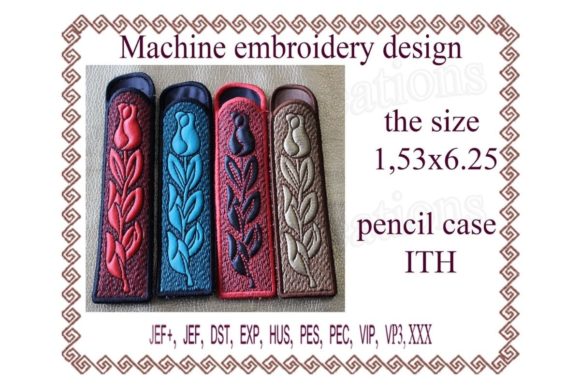
- Accessories and Home Goods: This is where the design shines brightest. As the name implies, it is ideal for actual pencil cases, but its utility extends to aprons, cap patches, and even embroidered patch collections for craft fairs. The multiple sizes allow for dynamic layouts, such as a larger version on a tote bag and a smaller iteration on a keychain.
- Digital Product Sellers: For those selling printable mockups, having a high-quality base design like this allows you to create realistic previews. Buyers can visualize the finished product before purchasing, which significantly boosts conversion rates.
Practical Considerations for Embroidery Execution
While the concept is sound, the devil is in the details. As a professional, I approach every Creative Fabrica embroidery download with a healthy dose of caution regarding technical execution. Here are the specific factors I analyzed regarding Pencil Case:
Hoop Size and Stitch Density: One of the most common pitfalls in machine embroidery is underestimating the required hoop size. Since the product description notes that the design comes in multiple sizes, some may be taller or wider than others. Before committing to a production run, you must confirm the exact dimensions. Small hoop sizes can lead to distortion if the design is too dense for the area. I recommend checking the stitch density carefully; overly dense areas can cause puckering, especially on stretchy fabrics like t-shirts or sweatshirts.
Fabric Compatibility: Not all fabrics play nice with every design. If you plan to use Pencil Case on dark fabric, thread color contrast will be your primary concern. You might need to adjust the thread colors or consider using a stabilizer that prevents show-through. Conversely, on textured fabrics like towels or heavy canvas, the design needs enough stability to hold its shape. Using the proper stabilizer is non-negotiable here to maintain the crispness of the running stitch and satin stitch elements.
Curved Surfaces and Caps: If you intend to use this for custom apparel like caps, the curvature of the hat can distort flat designs. You will need to test the layout on a curved surface to ensure the text or imagery remains legible and centered. Layered details can sometimes get lost on the curve of a cap, so inspecting the design on a mock-up is crucial.
Impact on Product Value and Brand Trust
In the competitive landscape of handmade shops and Etsy listings, the quality of your embroidery directly influences buyer trust. A poorly executed design can ruin an otherwise beautiful item, leading to returns and negative reviews. However, a well-executed Pencil Case design elevates the perceived value of your item.
When customers receive a personalized gift or a piece of commercial embroidery that looks polished and professional, they are more likely to become repeat buyers. The design contributes to brand consistency. If your shop specializes in high-quality, detailed work, this asset fits that narrative perfectly. Furthermore, for product photography, a design with good definition and texture photographs better, allowing you to showcase the craftsmanship effectively.
Essential Steps Before Production
Before you start churning out products with Pencil Case, there are several practical steps you must take to ensure success. These precautions protect your time and reputation as a creator.
- Test on Scrap Fabric: Never go straight to your final material. Always stitch a test swatch to check for tension issues, thread breaks, or unwanted shifting.
- Review File Details: Go back to the Creative Fabrica product page to confirm the specific file formats included. Ensure your machine software is compatible with the provided files.
- Inspect Small Details: Zoom in on the digital preview. Are there tiny letters or intricate lines that might disappear during the stitching process? If so, you may need to simplify the design or choose a larger hoop size.
- Check Licensing Terms: If you are planning to sell the finished items commercially, verify the licensing agreement on the product page. Some designs have restrictions on the number of units you can produce or require attribution.
- Compare Mockups: Create both light and dark fabric mockups to see how the design behaves in different lighting conditions. This helps you decide on the best background colors for your marketing materials.
Final Thoughts on Pencil Case
Pencil Case represents a solid addition to any library of design assets. Its versatility makes it suitable for a wide range of sewing and embroidery projects, from seasonal handmade gifts to serious boutique merchandise. While no single design is perfect for every scenario, this one offers a strong foundation for creative entrepreneurs looking to expand their offerings.
By taking the time to test the design, understand its limitations, and apply proper stabilization techniques, you can turn this digital file into a profitable physical product. Whether you are an experienced decorator or a newcomer to the craft, Pencil Case has the potential to add charm and professionalism to your portfolio. Just remember to do your due diligence on the specifics before hitting the start button on your machine.