Silhouette Elk: A Designer's Review for Small Business Merch
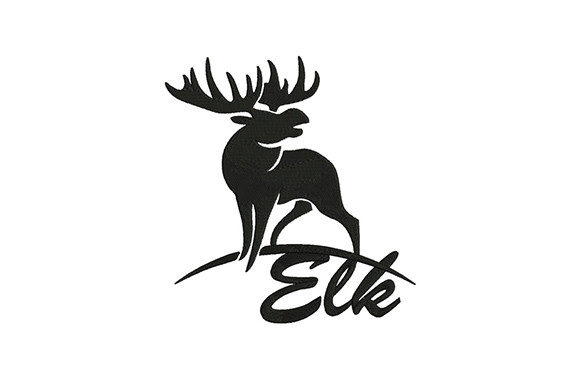
As an experienced embroidery designer who has spent years turning digital files into tangible brand assets, I often look at a design and immediately visualize its potential on real-world products. When I first encountered Silhouette Elk, the bold blackwork style immediately stood out. It is not merely a decorative animal motif; it feels like a statement piece designed to carry weight in a crowded marketplace. The description promises a "wild and natural flair," which suggests this design is perfect for brands that want to project authenticity, ruggedness, or a connection to nature.
This review focuses on how Silhouette Elk performs when applied to small business merchandise, branded patches, and custom apparel. Whether you are running a boutique café, a handmade shop, or a creative studio, understanding the nuances of a machine embroidery design is crucial before committing to production.
First Impressions and Brand Personality
The initial visual impact of Silhouette Elk is one of confidence. In the world of brand identity, simplicity often speaks louder than complexity. The blackwork technique creates a solid, graphic presence that works exceptionally well for logos and accents. It strikes a balance between rustic charm and modern professionalism. Unlike overly detailed illustrations that can get lost in stitching, this silhouette relies on strong lines and form.
For a small business owner, this translates to high recognition value. The design feels premium yet approachable. It avoids looking cheap or overly playful, making it suitable for a wide range of industries from outdoor gear retailers to artisanal bakeries. The "wild" aspect mentioned in the product description adds a layer of storytelling, suggesting that your brand values freedom and natural origins. This emotional connection is vital for customer trust and engagement.
Real-World Applications for Merchandise and Patches
One of the most common requests I receive from clients is how to integrate a specific design into their product line without overwhelming the garment. Silhouette Elk is versatile enough to serve as a primary logo or a subtle detail accent. Here is how I see it performing across various small business merch categories:
- Embroidered Patches: This design is ideal for creating high-quality embroidered patch applications. The solid black areas provide excellent contrast against denim, canvas, or leather. Imagine a leather jacket worn by a barista or a canvas tote bag for a local florist. The elk acts as a badge of honor, instantly communicating the brand's aesthetic.
- Staff Uniforms and Aprons: For businesses with a team, consistency is key. Placing Silhouette Elk on the chest of a work shirt or centered on the bib of an apron creates a cohesive look. It elevates standard uniforms into branded assets that customers remember.
- Cap Embroidery: The curved surface of a cap presents a unique challenge, but the bold lines of this design hold up well. It serves as a striking focal point on the front panel, ensuring the brand remains visible even when the wearer is moving around.
- Tote Bag Design: Canvas bags are a staple for craft fairs and Etsy sellers. A large-scale application of Silhouette Elk on a tote bag turns a simple utility item into a walking advertisement. The high stitch density ensures the image remains crisp even after multiple washes.
- Product Packaging Accents: Beyond clothing, this design can be used on labels sewn into packaging or stamped onto fabric tags attached to handmade goods. It adds a tactile, professional finish that justifies a higher price point.
Strategic Considerations and Limitations
While Silhouette Elk is powerful, an experienced designer knows that every design has constraints. To ensure the finished product meets quality standards, there are specific scenarios where caution is required.
Small Patch Sizes: If you intend to create very small patches (under 2 inches), the details within the silhouette may become indistinguishable. Blackwork relies on negative space and line thickness; shrinking it too much can cause the threads to merge, losing the definition of the elk. Always test the scale before mass production.
Curved Surfaces and Cap Fronts: While caps are great, the curvature can distort the straight lines of the design if the digitization is not optimized. Ensure your file is properly hooped and stabilized to prevent puckering, which can ruin the clean look of the silhouette.
Fabric Texture and Color: This design is described as blackwork, meaning it is likely intended for dark backgrounds or high-contrast setups. Using it on light fabrics without a dense underlay might result in the background showing through. Additionally, textured fabrics like heavy wool or loose-weave linen can make the stitches appear uneven. Smooth cotton twill or denim provides the best canvas for this type of commercial embroidery.
High Stitch Density: Large areas of solid fill require significant thread usage and time. On items that need frequent washing, such as staff aprons, ensure the stabilizer used is robust enough to support the density. Without proper backing, the fabric may pucker, detracting from the professionalism of the brand.
Impact on Brand Identity and Value
In the competitive landscape of handmade products and online marketplaces, visual consistency is what separates amateurs from pros. Incorporating a cohesive design like Silhouette Elk across different touchpoints—from your website's printable mockups to your physical custom apparel—builds a stronger narrative. When a customer sees the same bold elk on a hat, a tote bag, and a sticker, it reinforces memory retention.
This level of detail signals that the business cares about quality. A well-executed embroidery file on a hoodie or jeans jacket adds perceived value to the product. It transforms a generic item into a branded asset that customers are proud to wear or use. This psychological effect drives repeat purchases and fosters loyalty among your community.
Practical Notes for Production Success
Before you begin stitching out your first batch of Silhouette Elk designs, I recommend following these practical steps to avoid costly mistakes:
- Test in Black and White: Start by digitizing or viewing the design in monochrome to ensure the shapes remain distinct. This helps verify that the silhouette holds its integrity without relying on color variations.
- Check Small Scale: Create a test run at the smallest size you plan to produce. Inspect the edges and the interior details to ensure they do not blur together.
- Review Thread Colors: Even though it is blackwork, consider if a metallic or contrasting outline could add depth. However, stick to the core description of bold blackwork for maximum impact.
- Inspect Spacing: Ensure there is adequate spacing between elements if you are combining this with text. Crowding the design can make it look cluttered and reduce readability.
- Confirm Hoop Size: Verify the dimensions of the design relative to your hoop size. A design that requires re-hooping in the middle may show alignment marks, which looks unprofessional.
- Test on Real Fabric: Do not rely solely on digital previews. Stitch the design on the actual fabric you intend to sell. Different materials react differently to tension and stabilizers.
- Use Proper Stabilizer: For a design with high density, use a cut-away stabilizer to maintain structure over time, especially for items like caps and jackets that undergo stress.
- Create a Mockup: Before sending orders to a client or launching a product, generate a printable mockup to show the client exactly how the design assets will look on the final item.
- Compare with Other Assets: Place Silhouette Elk beside your other branding elements to ensure visual harmony. Does it match the font style? Is the weight of the lines consistent?
- Confirm Licensing: Finally, always double-check your commercial licensing terms. Ensure you have the right to use the digital embroidery file for manufacturing and selling merchandise.
By taking these steps, you ensure that Silhouette Elk serves its purpose effectively. It is more than just an animal motif; it is a tool for building a recognizable, trustworthy, and stylish brand. With careful execution, this design can elevate your handmade product line and help your small business stand out in a noisy market.