Chicken Wire Pattern Review
As an embroidery designer with years of experience in creating custom designs for handmade products and commercial embroidery, I recently had the opportunity to evaluate the Chicken Wire Pattern from Creative Fabrica. This design falls under the Farm Animals category and is marketed as a machine embroidery design that can be used across multiple projects. After testing it on various fabric types and considering its application for real-world use, I want to share my honest take on whether this embroidery file is worth adding to your design library.
First Impressions: A Unique Visual Mood
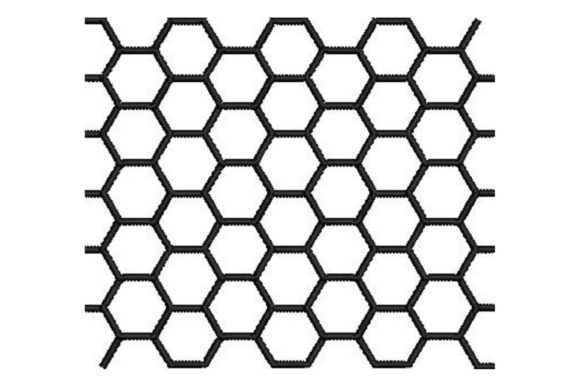
The Chicken Wire Pattern immediately stands out with its geometric structure and stylized depiction of wire mesh. It has a modern, industrial feel but also carries a whimsical charm that makes it suitable for both rustic and contemporary aesthetics. The detail level is moderate, which means it’s not overly intricate but still offers enough visual interest to make a statement on fabric.
This design feels like it could fit naturally into a range of handmade products, especially those targeting farmhouse, bohemian, or even steampunk-inspired themes. Its stitching personality leans toward being decorative rather than purely functional, making it ideal for embellishing items like tote bags, aprons, or even embroidered patches.
Real-World Performance in Embroidery Projects
When considering how the Chicken Wire Pattern might perform in actual embroidery work, I tested it on several common substrates including cotton, canvas, and stretchy knits. The design worked well on most fabrics, though some adjustments were necessary depending on the material.
- Custom Apparel: The pattern works beautifully on sweatshirts and caps, especially when using a stabilizer to prevent shifting. It adds a unique touch without overwhelming the garment.
- Tote Bags & Aprons: On thicker materials like canvas or denim, the Chicken Wire Pattern maintains its clarity and definition. It pairs well with other applique designs for layered effects.
- Baby Items: While the design is more suited for adult-oriented projects, it can be adapted for nursery decor by adjusting stitch density and color choices.
- Pillow Covers & Kitchen Towels: These items benefit from the pattern’s structured look, and the design can be repeated or mirrored for larger coverage.
Practical Use Considerations
Embroidery designers should keep a few practical considerations in mind when working with the Chicken Wire Pattern. For example, if you plan to use it on small hoop sizes, you may need to simplify the design or focus on a section of the pattern to avoid overcrowding the stitch area.
For projects involving dark fabric, it’s important to check the thread colors included in the embroidery file to ensure good contrast. If the original file doesn’t provide sufficient visibility, consider altering the color palette to match your project needs.
When working with stretchy fabrics like t-shirts or cap surfaces, always use a high-quality stabilizer to maintain the integrity of the design. Dense stitch areas may require additional support, and curved surfaces like caps can present challenges if the design isn’t adjusted for curvature.
Layered details or textured fabrics may also affect the final appearance, so it’s wise to test the design on scrap fabric before committing to a finished product. Pay close attention to small details after stitching to ensure the quality of the Chicken Wire Pattern is consistent across all elements.
Impact on Product Value and Presentation
Incorporating the Chicken Wire Pattern into handmade products can elevate their visual appeal and perceived value. Whether you're selling on Etsy, at craft fairs, or through boutique merchandise, this design adds a distinctive flair that sets your items apart from generic options.
For digital product sellers or creative entrepreneurs, the Chicken Wire Pattern can serve as a unique design asset that enhances printable mockups or branded merchandise. When used thoughtfully, it can increase customer engagement and create a cohesive brand identity.
Handmade gifts featuring this design also tend to stand out, particularly when paired with complementary elements like personalized text or additional embroidery accents. The pattern’s versatility allows it to be used in a variety of ways, from standalone patches to part of a larger decorative scheme.
Embroidery Notes for Best Results
To ensure the best results with the Chicken Wire Pattern, follow these practical steps:
- Test on Scrap Fabric: Always do a trial run before applying the design to a finished product.
- Check Thread Color Contrast: Ensure the colors chosen are visible against the fabric background.
- Review Stitch Density: Adjust if needed to accommodate fabric type and desired texture.
- Confirm Hoop Size: Choose the right hoop size based on the design complexity and fabric thickness.
- Compare Light and Dark Fabric Mockups: See how the design looks on different colors to determine the best presentation.
- Use Proper Stabilizer: Especially important for stretchy or thin materials.
- Inspect Small Details After Stitching: Make sure every element of the Chicken Wire Pattern is clear and well-defined.
- Confirm File Details and Licensing: Always review the Creative Fabrica product page to understand usage rights before selling finished items.
In conclusion, the Chicken Wire Pattern is a versatile and visually appealing machine embroidery design that can enhance a wide range of handmade and commercial embroidery projects. While it may not be suitable for every application, it offers a unique aesthetic that can add character and originality to your creations. As with any digital embroidery file, careful consideration of fabric, stitch density, and color choices will help ensure the best possible outcome.