Cute Chicken Embroidery Design Review
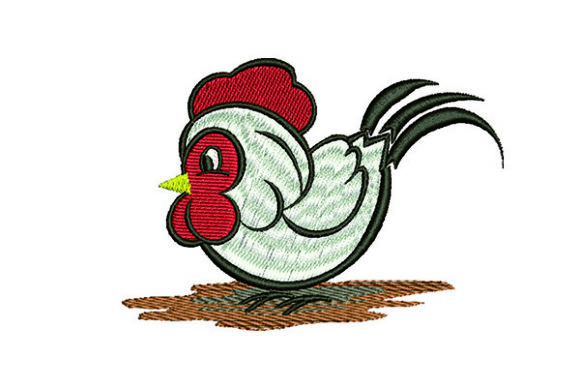
As an experienced embroidery designer who has spent years curating collections for boutique apparel and handmade brands, I am always on the lookout for designs that offer genuine versatility. Recently, I came across the Cute Chicken design on Creative Fabrica, and it immediately caught my eye as a potential star piece for my upcoming seasonal collection. This adorable chicken embroidery is so versatile that it feels like it was made specifically for modern crafters and small business owners looking to add a touch of whimsy to their projects. Whether you are planning children's clothes, cozy pajamas, towels, or home decor, this machine embroidery design comes with the kind of charm that drives sales.
When reviewing a new digital embroidery file, my first step is always visualizing the finished product. The Cute Chicken design exudes a playful yet premium personality. It does not feel like a generic clipart; instead, it possesses a distinct stitching mood that suggests high-quality thread work. The detail level appears balanced, offering enough texture to look professional without becoming so dense that it compromises the fabric structure. For a brand identity focused on rustic, cute, or farm-to-table aesthetics, this design fits perfectly within the Farm Animals category while maintaining a timeless appeal.
Visual Impact on Boutique Apparel
I have been mentally mapping out how this embroidery file would translate onto various garments for my online shop. The primary use case that excites me most is sweatshirt embroidery. Imagine a neutral oatmeal-colored crewneck sweatshirt featuring the Cute Chicken centered on the chest. The contrast would be subtle yet striking, creating a sophisticated look that appeals to adults who love cute things. However, the design is equally effective on pastel hoodies, where the soft colors of the garment complement the bright thread colors of the chicken, enhancing its cuteness.
For those looking to create statement pieces, I envision placing larger versions of this design on the back of oversized garments. A hoodie with a massive Cute Chicken graphic on the back paired with minimal text on the front could become a bestseller. Furthermore, this design is perfect for sleeve accents. A small version placed near the cuff of a denim jacket or a dark navy sweatshirt adds a delightful surprise element that customers love to show off in social media photos.
The versatility extends beyond just tops. I see this machine embroidery design thriving on tote bags and lifestyle product mockups. A canvas tote bag embroidered with Cute Chicken creates an instant accessory that feels both functional and fashionable. When used in printable mockups for Etsy listings, the design helps convey a sense of quality and attention to detail, which is crucial for building buyer trust.
Color and Texture Considerations
One of the strongest points of this design is its ability to adapt to different fabric textures. On fleece, the raised stitches of the embroidery will pop, giving the garment a tactile dimension that photographs beautifully. On smooth t-shirt material, the design offers a clean, crisp finish. However, when considering dark garments, the choice of thread colors becomes critical. You may need to evaluate whether a white underlay or specific contrasting threads are necessary to ensure the Cute Chicken stands out against black or deep charcoal fabrics.
For commercial embroidery products, consistency is key. If you plan to sell a line of matching items, such as a set of kids' pajamas and a family-sized towel, this design provides the visual consistency needed to establish a recognizable brand. Customers often gravitate towards shops that offer cohesive themes, and a well-executed Cute Chicken motif can become a signature element of your small shop product line.
Strategic Placement and Technical Challenges
While the design is charming, every experienced designer knows that placement matters just as much as the stitch pattern itself. Small chest placement requires precision. If the hoop size is too large relative to the design area, the chicken might look distorted or lose its intended proportion. It is essential to confirm the hoop size requirements before starting production to avoid frustration.
There are specific areas where caution is advised. Dense stitch areas on stretchy fabrics can sometimes cause puckering if the stabilizer choice is incorrect. Fleece, while popular for sweatshirts, requires a strong cutaway stabilizer to support the weight of the embroidery and prevent the fabric from distorting over time. Ribbed fabric, often found on cuffs and collars, presents another challenge due to its curvature. Attempting to embroider directly on tight curves without proper hooping techniques can lead to uneven stitching.
Additionally, tiny lettering should be avoided if the design includes text, as small details may get lost in the texture of thicker fabrics like heavy cotton or wool blends. Curved surfaces, such as the shoulders of a hoodie, require careful testing to ensure the design remains legible and aesthetically pleasing after washing. Always inspect stitch density closely; designs that are too dense can make the fabric stiff, while those that are too sparse may lack the visual impact required for a finished product that commands a higher price point.
Maximizing Value and Brand Identity
Using a high-quality design like Cute Chicken can significantly affect the perceived value of your apparel. When a customer sees a professionally executed embroidery design, they associate that quality with the entire brand. This leads to increased product recognition and customer engagement. A well-placed embroidery design transforms a basic $20 t-shirt into a $45 boutique item. It signals to the buyer that care was taken in the creation process, fostering a deeper connection between the maker and the wearer.
For Etsy sellers and digital embroidery file creators, having a library of versatile designs allows for rapid prototyping. You can quickly test different color combinations and placements using printable mockups before committing to physical production. This workflow saves time and money while ensuring that the final product meets the high standards expected by today's consumers.
Practical Designer Notes for Production
Before you begin mass-producing any custom apparel featuring the Cute Chicken, there are several practical steps you must take. First, always test on scrap fabric that matches the garment you intend to use. This helps you gauge the tension, thread pull, and overall stability of the design. Second, review thread color contrast carefully. Ensure that the chosen colors provide enough visibility against the background fabric without clashing.
Confirming the stabilizer choice is perhaps the most critical technical step. Depending on the fabric weight, you may need a tear-away, cut-away, or water-soluble stabilizer. Incorrect stabilization is the leading cause of poor embroidery results. Additionally, compare placement options on the actual garment to ensure the design sits correctly on the body. A design that looks good on a flat table might look off-center when worn.
Finally, do not forget to check Creative Fabrica product details and licensing terms before selling finished apparel. While the design is marketed for commercial use, specific restrictions may apply depending on the subscription tier or individual license purchased. Understanding these terms protects your business and ensures you are operating within legal boundaries.
In conclusion, the Cute Chicken design represents a fantastic opportunity for embroidery enthusiasts and boutique owners alike. Its blend of cuteness, versatility, and professional finish makes it a standout choice for sweatshirt embroidery, hoodie designs, and a wide array of other projects. By approaching this design with careful planning and technical precision, you can create finished products that resonate with customers and elevate your brand presence in the competitive world of handmade goods.