Diving Flipper Embroidery Review for Craft Fairs
As an experienced embroidery designer who spends countless weekends setting up booths at local craft fairs and online markets, I know that the difference between a design that sits on a shelf and one that flies off the table often comes down to visual impact and practical production. Today, I am reviewing a specific machine embroidery design titled Diving Flipper. This piece is categorized under Beach themes and is designed to showcase a passion for diving sports. Before turning this into a full line of products for my next market event, I need to evaluate its potential as a handmade product that resonates with customers.
First Impressions: Bold, Sporty, and Fun
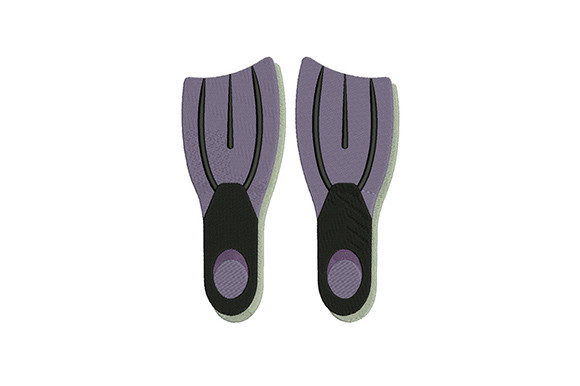
The moment I see the title Diving Flipper, the vibe is immediately active and playful. Unlike delicate floral motifs or intricate farmhouse scripts, this design promises something bold and graphic. Based on the description, which encourages stitchers to show their "great passion for moving your bo," the aesthetic leans heavily towards modern sportswear and adventure gear. It feels less like a decorative accent and more like a statement piece.
For a craft fair booth, this energy is gold. Customers walking by a table of soft, traditional embroidery might miss it, but a vibrant embroidery file featuring flipper fins will catch the eye of divers, swimmers, and beach lovers instantly. It strikes a balance between cute and athletic, making it perfect for a diverse audience ranging from serious athletes to casual summer enthusiasts. The design assets suggest a clean look that translates well from digital mockups to physical reality.
Product Potential: Where Diving Flipper Shines
When planning my display for the weekend market, I visualize how this craft fair product performs across various mediums. The versatility of the design allows it to work on multiple items, but some applications are clearly superior for driving sales.
- Tote Bags: A large tote bag design featuring the Diving Flipper is a standout item. The sturdy canvas provides a perfect backdrop for bold stitching, and the size allows the design to be seen clearly from a distance. It appeals to shoppers looking for a unique, reusable bag with personality.
- Apron Embroidery: For the kitchen or poolside chef, an apron embroidery project adds a touch of humor and style. The contrast of a fun flipper motif against a solid-colored apron creates a memorable gift idea that stands out in the handmade category.
- Tea Towel Embroidery: Similar to aprons, tea towel embroidery offers a great opportunity for smaller, lower-priced impulse buys. The design can serve as a focal point on a white or navy towel, making it an attractive addition to a gift basket.
- Caps and Patches: An embroidered patch version of the design could be sold separately for customization or stitched directly onto baseball caps. The curved surface of a cap requires careful attention to placement, but the result is a premium-looking accessory.
- Fabric Pouches and Pillow Covers: Small pouches for swim goggles or pillow covers for a beach-themed bedroom are excellent uses for this design. They allow for higher profit margins due to the lower material cost compared to apparel.
However, not every surface is equally effective. While the description mentions workout equipment, t-shirts, jackets, hoodies, and backpacks, I would prioritize the softer goods for a craft fair. Hard surfaces or heavy gym bags might not hold the detail as well as cotton blends found in tote bags and towels.
Photography and Online Listings
For an Etsy seller or boutique maker, the ability to photograph the finished product is crucial. The Diving Flipper design is likely high-contrast and graphic, which means it will translate beautifully into printable mockup images. When creating listings, the sharp lines of the flipper will pop against solid backgrounds, drawing the viewer's attention immediately. This visual clarity helps drive engagement and increases the perceived value of the small shop product.
Production Realities: What to Watch Out For
While the concept is exciting, a professional designer knows that execution is everything. Before committing to a batch run, there are several practical points to consider regarding the stitch density and layout of the Diving Flipper design.
If the design contains dense stitch areas or tiny details, it may lose clarity when produced on textured fabrics like thick terrycloth tea towels or rough canvas. In such cases, the threads might bunch up, ruining the crisp look of the flipper. Similarly, if the design includes small lettering or intricate curves, it might become illegible when scaled down for a small patch or a miniature pouch. Always ensure the design works as both a small accent and a large focal point before selling it commercially.
Dark fabric presents another challenge. If you plan to use this on black hoodies or navy backpacks, you must check the thread colors provided in the file. Lighter threads may require additional underlay stitches to prevent them from sinking into the fabric, which can alter the final appearance. Conversely, on light fabrics, dark threads might cast shadows if the stitch density is too high.
Essential Designer Notes for Production
To ensure the highest quality finished product, I always follow a strict pre-production checklist. First, test the design on scrap fabric that matches the texture and weight of your final materials. This step reveals how the thread colors interact with the specific cloth and whether the hoop size accommodates the design without distortion.
Next, inspect the stitch density closely. If the area looks overly packed, the fabric may pucker, especially on lightweight materials. You may need to adjust the stabilizer choice; a cut-away stabilizer is often necessary for stretchy fabrics like t-shirts, while tear-away might suffice for stable cottons. Confirming the correct stabilizer type is vital for maintaining the shape of the design during washing and wear.
Create at least one real mockup of the best-selling item, such as the tote bag or apron, before listing hundreds of units. Compare different fabric colors to see which ones make the design pop the most. Finally, confirm commercial licensing terms. Even though this is a digital embroidery file intended for resale, you must verify that the license allows for the sale of physical items derived from the design.
Final Verdict: A Strong Contender for Your Booth
In conclusion, the Diving Flipper design has significant potential to elevate your commercial embroidery offerings. Its sporty, beach-inspired theme fits perfectly with seasonal trends and outdoor lifestyle aesthetics. By focusing on high-quality substrates like canvas totes and cotton aprons, and by carefully managing production variables like stabilizers and thread contrast, this design can become a crowd favorite.
It is a versatile asset that enhances brand consistency and booth display strength. Whether you are a seasoned veteran or a new creative entrepreneur, adding a dynamic piece like this to your inventory can spark customer interest and drive sales. Just remember to do your due diligence on the technical specs, and you will have a winning product ready for the next craft fair.